Decentralized Data The Future of File Storage in the Crypto World
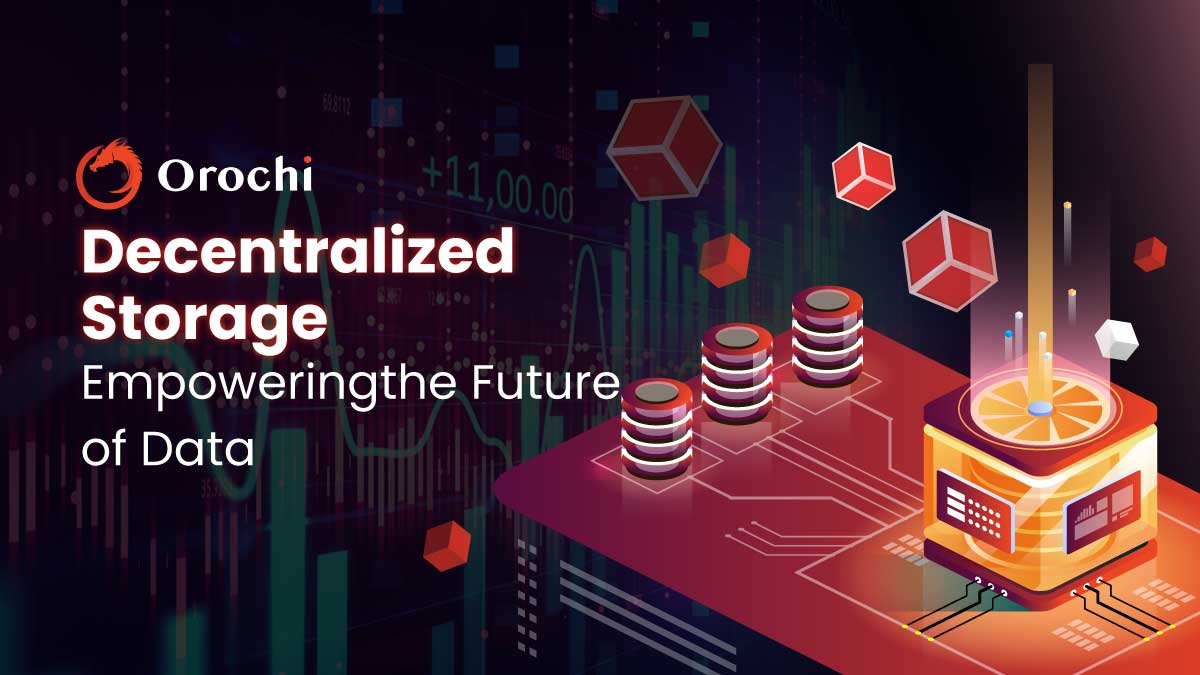
The crypto world is a constantly evolving space, and one of the most exciting developments in recent years has been the emergence of decentralized data storage. Decentralized data storage refers to a system where files are stored on multiple computers around the world instead of relying on a single server or centralized service provider. This type of technology has many advantages over traditional methods, including increased security, privacy, reliability, scalability and cost savings.
Decentralized data storage offers an alternative to centralized services such as Dropbox or Google Drive that store user information on their own servers. By distributing files across multiple computers connected to a network (such as blockchain), users can enjoy greater control over their personal information and have more confidence that it won’t be compromised by hackers or other malicious actors. Furthermore, since there is no single point of failure with decentralized systems, they tend to be much more reliable than traditional services which rely heavily on central points for access and control.
In addition to providing enhanced security and reliability benefits compared to centralized solutions, decentralized file storage also offers significant cost savings due to its distributed nature. Since there is no need for expensive hardware infrastructure such as servers or large datacenters required for hosting applications in-house; companies can save money by using existing resources from other nodes within the network rather than investing in new ones themselves. Additionally, because all nodes are responsible for maintaining copies of the same data set at any given time – redundancy costs associated with storing backups are eliminated altogether!
Finally, another major benefit offered by decentralized file storage systems is scalability; meaning they can easily accommodate increasing amounts of traffic without having performance issues due to lack of capacity like traditional solutions often do when demand rises suddenly during peak times. This makes them ideal for businesses who need reliable access even during periods when usage spikes unexpectedly – something which cannot always be guaranteed with conventional hosting options alone!
All things considered then it’s clear why so many people are turning towards this innovative form of technology - decentralization provides an efficient way forward when it comes both protecting our digital assets while also ensuring we get maximum value out from them too! With its combination strong security features combined with reduced operational costs & improved scalability capabilities - there’s no doubt that this will become increasingly popular choice amongst those looking make sure their valuable files remain safe & accessible whenever needed most! crypto casinos france
Benefits of Decentralized Data Storage
The world of cryptocurrency is rapidly evolving, and with it comes the need for a secure, reliable way to store data. Decentralized data storage is quickly becoming the go-to solution for those looking to securely store their digital assets in an increasingly volatile market. In this article, we’ll take a look at some of the benefits of decentralized data storage and how it can help protect your investments in crypto markets.
First off, decentralized data storage offers unparalleled security compared to traditional centralized solutions. By distributing files across multiple computers or servers instead of relying on one central source, users are able to ensure that their information remains safe from malicious actors who may be targeting a single point of failure. This makes it much harder for hackers or other bad actors to gain access to sensitive information as they would have no single target upon which they could focus their efforts. Additionally, since there is no central authority controlling the system (such as a bank), users don’t have to worry about third parties being able access or manipulate their funds without permission.
Another major benefit of decentralized file storage is its cost efficiency compared with more traditional methods such as cloud computing services like Amazon Web Services (AWS). With AWS you pay for each instance you use whereas with decentralized file storage you only pay once upfront and then never again unless you want additional space or features added on top later down the line. This means that over time your costs will decrease significantly when using decentralized solutions rather than paying recurring fees associated with cloud computing services like AWS which can add up quickly if not managed properly!
Finally, decentralization also provides increased flexibility when it comes to accessing stored files from anywhere around the globe – something that isn’t possible with traditional centralized systems due to geographical restrictions imposed by server locations etc.. With distributed networks such as IPFS (InterPlanetary File System) anyone can access any file stored within them regardless of where they are located so long as they have an internet connection – making them ideal for people who travel frequently or work remotely!
Overall then there are many advantages associated with utilizing decentralized data storage over more traditional methods such as cloud computing services like AWS; greater security through distributed networks making hacking attempts far less likely; cost savings due to only having one upfront payment required; and improved accessibility allowing users worldwide easy access regardless of location! As cryptocurrencies continue growing in popularity these benefits will become even more important so make sure you consider all options before deciding what type of system best suits your needs going forward into 2021 and beyond!
Challenges to Overcome for Widespread Adoption
The decentralized data revolution is here, and it’s poised to change the way we store our files forever. With its ability to provide secure, private storage solutions for individuals and businesses alike, decentralized data has the potential to become a game-changer in the world of file storage. However, before this technology can be widely adopted there are several challenges that must be overcome.
One of the biggest obstacles facing widespread adoption of decentralized data is scalability. Currently, most blockchain networks lack the capacity needed to handle large amounts of transactions or large files efficiently. This means that if a user wants to store multiple large files on a blockchain network they may experience slow speeds or even outages due to congestion on the network. To address this issue developers need to find ways to increase transaction throughput without sacrificing security or decentralization features such as immutability and censorship resistance.
Another challenge associated with decentralized data is usability; while current blockchain networks offer users greater control over their own information than traditional centralized services do, these systems can still be difficult for non-technical users who may not understand how they work or why they should use them instead of more familiar options like Dropbox or Google Drive. To make these platforms more accessible developers will need create intuitive interfaces that make it easy for anyone regardless of technical knowledge level can access their stored files quickly and easily without needing assistance from an expert user .
Finally, cost remains another major hurdle when it comes widespread adoption; currently many decentralized storage solutions require users pay fees in order upload/download their content which makes them less attractive compared with free alternatives offered by centralized services like Dropbox and Google Drive which have already established themselves as go-to options for file sharing among consumers worldwide . Developers will need find ways reduce costs associated with using these platforms so that everyday people feel comfortable making switch away from existing solutions towards new ones based on distributed ledger technology (DLT).
Overall , although there are some challenges standing between us today widespread adoption of decentralized data , if developers continue push forward progress could soon see this revolutionary technology becoming commonplace within next few years .
Potential Applications and Use Cases
The potential applications and use cases of decentralized data storage in the crypto world are virtually limitless. As blockchain technology continues to evolve, so too do the possibilities for using it to store and secure data. Decentralized data storage offers a number of advantages over traditional centralized solutions, including improved security, scalability, and cost savings.
One major application is in file storage. By utilizing distributed ledger technology (DLT), files can be stored securely across multiple nodes on a network rather than relying on one central server or repository. This makes it more difficult for hackers to gain access to sensitive information as there is no single point of failure that could potentially compromise an entire system. Additionally, because DLT-based systems are designed with redundancy built into them, they are able to handle large amounts of traffic without becoming overwhelmed or crashing due to heavy load times like some centralized systems might experience during peak usage periods.
Another area where decentralized data storage has been gaining traction is in cloud computing services such as Amazon Web Services (AWS). By leveraging DLT-based networks such as Ethereum or Hyperledger Fabric, organizations can create private clouds that provide enhanced levels of security while also offering better performance than public cloud providers like AWS or Microsoft Azure due to their distributed nature. Furthermore, these private clouds often come at a lower cost since they don’t require companies to pay for expensive hardware infrastructure up front like many public cloud solutions do.
Finally, decentralized data storage can also be used by individuals who want greater control over their personal information online by allowing them to store it directly on the blockchain instead of relying on third-party services such as Google Drive or Dropbox which may not always guarantee privacy protections when sharing files with others outside their organization's walls . This provides users with increased autonomy over how their information is handled and shared while also ensuring that only those people they explicitly grant permission have access to view any given document or piece of content stored within its respective database(s).
In conclusion ,decentralized data storage has tremendous potential for transforming how we manage our digital assets both professionally and personally in today’s increasingly connected world – from providing secure file sharing capabilities between business partners all the way down individual users looking for greater control over what happens with their own personal documents . The key now lies in continuing development efforts around this technology so that we can realize its full potential going forward!
Home